Why Time Differences Change During the Year
Quick Answer
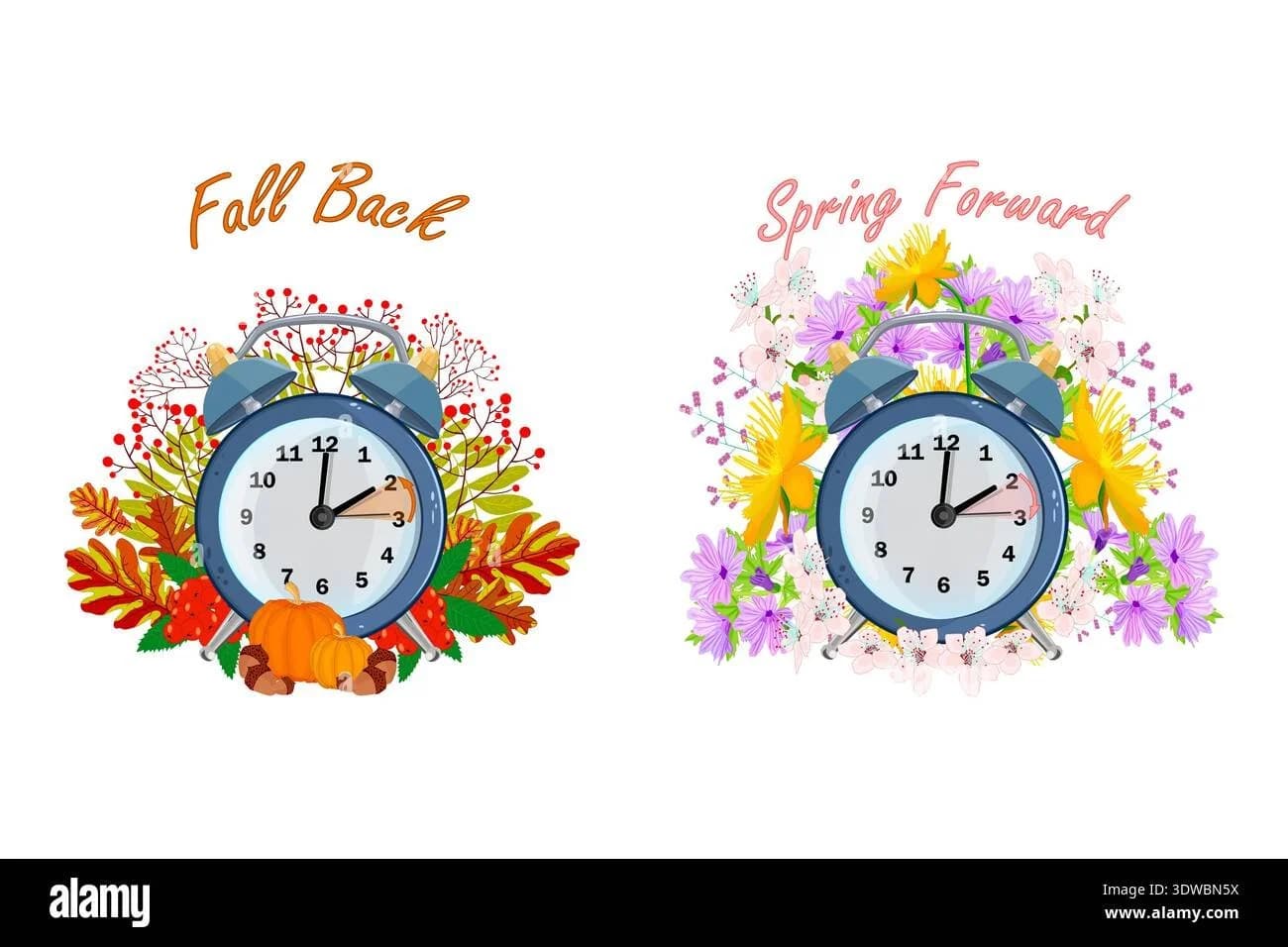
The time difference between two cities can change during the year because of daylight saving time (DST). Not all countries observe DST, and those that do start and end it on different dates. When one city springs forward or falls back while the other does not, the gap between them shifts by one hour. For example, New York and London are normally 5 hours apart, but for a few weeks each year, the gap temporarily becomes 4 hours because the US changes its clocks before the UK does.
The Main Reason: DST Mismatches
If every country in the world either observed DST on the same dates or did not observe it at all, time differences between cities would never change. The gap between New York (UTC-5) and London (UTC+0) would always be 5 hours. The gap between Los Angeles (UTC-8) and Tokyo (UTC+9) would always be 17 hours.
But the real world is messier. About 70 countries observe DST, and they do not all start and end it on the same dates. This creates temporary mismatches, periods when one city has shifted its clocks but another has not yet done so. During these mismatches, the time difference between the two cities is one hour more or less than usual.
There are three scenarios that cause time differences to change:
-
Both cities observe DST, but on different dates. This is the most common scenario. The US and EU both observe DST, but the US starts earlier in spring and ends later in autumn. This creates two mismatch windows per year.
-
One city observes DST and the other does not. This creates a permanent seasonal shift. The gap between London (DST) and Tokyo (no DST) changes twice a year, every year.
-
One or both cities are in the Southern Hemisphere. DST seasons are reversed south of the equator. Australia starts DST in October and ends it in April, the opposite of the Northern Hemisphere cycle. This means the gap between Sydney and London changes four times a year.
Example: New York and London
New York and London are one of the most commonly paired cities in international business, and their time difference is a frequent source of scheduling confusion.
The Normal State: 5 Hours Apart
During most of the year, New York is on Eastern Standard Time (UTC-5) and London is on Greenwich Mean Time (UTC+0). The difference is 5 hours. When it is 12:00 PM in New York, it is 5:00 PM in London.
The Spring Mismatch: 4 Hours Apart
In the US, DST begins on the second Sunday of March. In the EU and UK, DST begins on the last Sunday of March. Between these two dates (roughly 2–3 weeks), New York has sprung forward to UTC-4, but London is still on UTC+0. The gap shrinks from 5 hours to 4 hours. When it is 12:00 PM in New York, it is 4:00 PM in London.
Both on DST: 5 Hours Apart Again
Once the UK springs forward (to UTC+1), both cities are on DST. New York is UTC-4 and London is UTC+1. The difference is 5 hours again. Normalcy is restored.
The Autumn Mismatch: 4 Hours Apart (Again)
In the EU and UK, DST ends on the last Sunday of October. In the US, DST ends on the first Sunday of November. Between these two dates (roughly 1 week), the UK has fallen back to UTC+0, but the US is still on UTC-4. The gap shrinks to 4 hours again. When it is 12:00 PM in New York, it is 4:00 PM in London.
Back to Normal: 5 Hours Apart
Once the US falls back to UTC-5, both cities are on standard time. The gap returns to 5 hours.
Summary of the New York–London Gap in 2026
| Period | New York Offset | London Offset | Time Difference |
|---|---|---|---|
| Jan 1 – Mar 7 | UTC-5 (EST) | UTC+0 (GMT) | 5 hours |
| Mar 8 – Mar 28 | UTC-4 (EDT) | UTC+0 (GMT) | 4 hours |
| Mar 29 – Oct 24 | UTC-4 (EDT) | UTC+1 (BST) | 5 hours |
| Oct 25 – Oct 31 | UTC-4 (EDT) | UTC+0 (GMT) | 4 hours |
| Nov 1 – Dec 31 | UTC-5 (EST) | UTC+0 (GMT) | 5 hours |
The DST Mismatch Calendar for 2026
Here is a table showing key city pairs and when their time differences change in 2026:
| City Pair | Normal Gap | Mismatch Period | Gap During Mismatch | Mismatch Cause |
|---|---|---|---|---|
| New York – London | 5 hrs | Mar 8–28 | 4 hrs | US starts DST first |
| New York – London | 5 hrs | Oct 25–31 | 4 hrs | EU ends DST first |
| New York – Tokyo | 14 hrs | Mar 8–Nov 1 | 13 hrs | US observes DST, Japan does not |
| Los Angeles – London | 8 hrs | Mar 8–28 | 7 hrs | US starts DST first |
| Los Angeles – London | 8 hrs | Oct 25–31 | 7 hrs | EU ends DST first |
| Chicago – Paris | 7 hrs | Mar 8–28 | 6 hrs | US starts DST first |
| Sydney – London | 11 hrs | Mar 29 – Apr 4 | 10 hrs | UK starts DST, Australia ends DST |
| Sydney – London | 10 hrs | Oct 4 – Oct 24 | 9 hrs | Australia starts DST, UK has not ended DST |
| Sydney – New York | 16 hrs | Apr 5 – Oct 3 | 15 hrs | Both on DST (opposite seasons) |
| Dubai – London | 4 hrs | Mar 29 – Oct 24 | 3 hrs | UK on DST, Dubai does not observe DST |
| Mumbai – London | 5.5 hrs | Mar 29 – Oct 24 | 4.5 hrs | UK on DST, India does not observe DST |
| São Paulo – London | 3 hrs | Mar 29 – Oct 24 | 2 hrs | UK on DST, Brazil does not observe DST |
Note: Southern Hemisphere cities (Sydney, São Paulo) have DST seasons reversed relative to Northern Hemisphere cities, creating additional transition points.
Countries That Never Change
Countries that do not observe DST maintain the same time difference with DST-observing countries all year, but that difference itself changes twice a year when the other country springs forward or falls back.
Major Countries That Do Not Observe DST
| Country | UTC Offset | Changes With |
|---|---|---|
| Japan | UTC+9 | Gap with US/EU cities changes in Mar & Oct/Nov |
| China | UTC+8 | Gap with US/EU cities changes in Mar & Oct/Nov |
| India | UTC+5:30 | Gap with US/EU/UK changes in Mar & Oct/Nov |
| South Korea | UTC+9 | Gap with US/EU cities changes in Mar & Oct/Nov |
| Singapore | UTC+8 | Gap with US/EU cities changes in Mar & Oct/Nov |
| Russia | UTC+3 (Moscow) | Gap with EU cities changes in Mar & Oct |
| Brazil | UTC-3 | Gap with US/EU cities no longer changes (abolished 2019) |
| Saudi Arabia | UTC+3 | Gap with EU cities changes in Mar & Oct |
| Thailand | UTC+7 | Gap with US/EU cities changes in Mar & Oct/Nov |
Equatorial Countries
Countries near the equator generally do not observe DST because their daylight hours vary little throughout the year. At the equator, day length is approximately 12 hours year-round, with only about 30 minutes of seasonal variation. There is no practical benefit to shifting an hour of daylight when you already have equal day and night.
Asian Countries
Most Asian countries have never adopted DST or abandoned it decades ago. Japan used DST under US occupation (1948–1951) but dropped it. China experimented with DST from 1986 to 1991 but found it unpopular and confusing. India has never used DST. The result is that time differences between Asian cities and Western cities shift twice a year.
How to Calculate the Current Gap Anytime
If you need to know the current time difference between two cities, follow these steps:
Step 1: Find Each City's Current UTC Offset
A city's UTC offset depends on whether it is currently on standard time or DST. You can find the current offset by:
- Checking the IANA time zone database (the authoritative source)
- Using a reliable time zone website like UniversalTimeDate
- Checking the city's Wikipedia page (which lists its time zone and DST status)
Step 2: Subtract the Smaller Offset from the Larger
If City A is at UTC+X and City B is at UTC-Y, the time difference is X + Y hours.
Example: New York is UTC-4 (during DST) and London is UTC+1 (during BST). The difference is 4 + 1 = 5 hours.
Example: New York is UTC-4 (during DST) and Tokyo is UTC+9 (no DST). The difference is 4 + 9 = 13 hours.
If both offsets are positive or both are negative, subtract the smaller absolute value from the larger.
Example: Paris is UTC+2 (CEST) and Dubai is UTC+4. The difference is 4 - 2 = 2 hours.
Step 3: Account for Date Line Crossings
If the time difference exceeds 12 hours, you may be crossing the International Date Line. In that case, one city is on the previous calendar day. For example, when it is 10:00 AM Friday in Los Angeles (UTC-7), it is 3:00 AM Saturday in Sydney (UTC+11), a 17-hour difference spanning two calendar days.
Quick Reference: Always Use UTC
The simplest way to calculate any time difference is to convert both times to UTC first, then compare. UTC never changes for DST, so it provides a fixed reference:
-
Convert City A's local time to UTC (subtract the UTC offset)
-
Convert City B's local time to UTC (subtract the UTC offset)
-
The difference between the two UTC times is the time difference
Why This Matters for Recurring Meetings
Recurring international meetings are where DST mismatch problems hit hardest. Consider a weekly video call scheduled every Tuesday at 10:00 AM New York time / 3:00 PM London time. This works perfectly for most of the year when the gap is 5 hours. But during the spring and autumn mismatch windows:
- Spring mismatch: The UK has not yet changed its clocks, so 10:00 AM in New York is 2:00 PM in London (4-hour gap), not 3:00 PM. The London participants must join an hour earlier, or the meeting happens at the wrong time.
- Autumn mismatch: The UK has already fallen back, so 10:00 AM in New York is 2:00 PM in London (4-hour gap again).
Best Practices for Recurring International Meetings
-
Schedule in UTC. Instead of saying "Tuesdays at 10:00 AM ET," say "Tuesdays at 15:00 UTC." Each participant converts UTC to their local time, which automatically accounts for DST changes.
-
Send calendar invites with time zones. Modern calendar apps (Google Calendar, Outlook) automatically adjust for DST when you specify the time zone. Inviting someone in London to a "10:00 AM ET" meeting ensures they see the correct local time, even during mismatch windows.
-
Be aware of transition dates. Know when your key partners change their clocks. Put DST transition dates on your calendar as reminders.
-
Confirm the day before. During mismatch windows, send a quick confirmation of the meeting time in both time zones to avoid confusion.
-
Use scheduling tools. Tools like World Time Buddy, Every Time Zone, and built-in calendar apps handle DST conversions automatically.
The Cost of Getting It Wrong
Missing a meeting due to a DST mismatch is more than an inconvenience. For sales calls, it can mean lost deals. For medical consultations, it can delay care. For legal proceedings, it can mean missed deadlines. And for software systems that process time-stamped data, DST mismatches can cause data corruption, incorrect billing, and compliance violations.
Frequently Asked Questions
8 questions answered
Why does the time difference between New York and London change?
How many times per year can a time difference change?
Why don't all countries change their clocks on the same day?
How can I avoid DST scheduling problems?
Do time differences change between cities that both don't observe DST?
Why does the Sydney–London gap change four times a year?
Is there any time difference that never changes?
What is the longest period of time difference instability?
Put this into action
Stop guessing. Use our professional tools to schedule, convert, and manage time zones perfectly, 100% free.
Convert Time Zones