Full Moon Names Explained: The Stories Behind Each Month's Moon
Quick Answer
Full Moon names come primarily from Native American and colonial American traditions, with each month's Moon reflecting seasonal events like animal behavior, plant cycles, or weather. The most widely used set includes the Wolf Moon (January), Snow Moon (February), Worm Moon (March), Pink Moon (April), Strawberry Moon (May), Buck Moon (June), Sturgeon Moon (July), Sturgeon Moon (August), Corn Moon (September), Hunter's Moon (October), Beaver Moon (November), and Cold Moon (December). Many cultures worldwide have their own naming systems.
Where Full Moon Names Come From
The tradition of naming Full Moons stretches back thousands of years. Long before printed calendars and digital reminders, people used the Moon as a timekeeping device. Each Full Moon marked a specific point in the annual cycle, and naming it made the lunar calendar easier to remember and pass down through generations.
The names most commonly used in the United States today come from Native American traditions, particularly those of the Algonquin tribes who lived in the northeastern United States and eastern Canada. These names were adopted and adapted by European colonists, who sometimes modified them to match their own cultural references and seasonal conditions.
The Old Farmer's Almanac, first published in 1818, played a significant role in standardizing these names for a wide American audience. The Almanac recorded the Native American names alongside colonial American and European alternatives, and its widespread readership helped cement the Algonquin-based system as the most commonly recognized set of Full Moon names in North America.
It is important to note that no single Native American naming system was universal across all tribes. Different nations lived in different climates and observed different seasonal markers. A tribe in the Great Plains experienced very different natural events in June than a tribe in the Pacific Northwest. The names we use today represent a compilation rather than a single unified tradition.
Why People Named the Moon
Before modern calendars, the Moon served as the primary way to track the passage of time. Many indigenous cultures operated on a lunisolar calendar, a system that used lunar months but adjusted periodically to stay aligned with the solar year and its seasons. Naming each Full Moon created a narrative through the year: the Worm Moon meant the ground was softening, the Strawberry Moon meant it was time to gather fruit, and the Hunter's Moon meant it was time to prepare for the cold months ahead.
These names were not decorative, they were practical. They communicated when to plant, when to harvest, when to hunt, and when to expect dangerous weather. The Moon names functioned as a spoken almanac, embedding ecological knowledge into the culture itself.
All 12 Full Moon Names
Below is the standard set of Full Moon names most commonly used in North America, along with their meanings and the seasonal events they reference.
| Month | Full Moon Name | Meaning / Origin |
|---|---|---|
| January | Wolf Moon | Named for the howling of hungry wolves outside villages during the deep winter |
| February | Snow Moon | Named for the heavy snowfall typical of February; also called Hunger Moon due to scarce food |
| March | Worm Moon | Named for earthworm casts appearing as ground thaws; signals the return of robins and spring |
| April | Pink Moon | Named for the wild pink phlox (Phlox subulata), one of the first spring wildflowers |
| May | Flower Moon | Named for the abundant blooming of flowers across North America |
| June | Strawberry Moon | Named for the brief strawberry harvesting season in the northeastern United States |
| July | Buck Moon | Named for the new antlers emerging on male deer (bucks) at this time of year |
| August | Sturgeon Moon | Named for the giant lake sturgeon, easiest to catch in the Great Lakes during August |
| September | Corn Moon | Named for the corn harvest; also called Harvest Moon when it falls closest to the autumn equinox |
| October | Hunter's Moon | Named for the time to hunt and preserve meat before winter; also called Dying Grass Moon |
| November | Beaver Moon | Named for beavers building winter dams; also the season when trappers set beaver traps |
| December | Cold Moon | Named for the bitter cold of approaching winter; also called Long Night Moon for the long nights |
January: Wolf Moon
The Wolf Moon earned its name from the howling of wolves that colonists and Native Americans heard during the long, cold January nights. Wolves howl to locate pack members, defend territory, and communicate over long distances, and the sound carries farther in the still, cold air of winter. Alternative names include the Old Moon, Ice Moon, and Moon After Yule.
February: Snow Moon
February is typically the snowiest month in much of North America, giving this Moon its most common name. Some tribes called it the Hunger Moon or Bony Moon because hunting was difficult and food stores were running low by this point in winter. The Cherokee people called it the Bone Moon, referencing the time when food was so scarce that people gnawed on bones and bone marrow soup.
March: Worm Moon
As the ground begins to thaw in March, earthworm casts (piles of soil pushed up by worms) appear on the surface, signaling the return of warmer weather and the birds that feed on them. Some sources attribute the name not to earthworms but to beetle larvae (also called worms) that emerge from thawing tree bark. Alternative names include the Sap Moon (for maple sap running), Crow Moon (for the cawing of crows signaling winter's end), and Lenten Moon.
April: Pink Moon
Despite the name, the April Full Moon does not actually appear pink. The name comes from the wild pink phlox (Phlox subulata), also called moss phlox or creeping phlox, which is one of the earliest and most widespread spring wildflowers in eastern North America. Alternative names include the Sprouting Grass Moon, Egg Moon, and Fish Moon (for shad swimming upstream to spawn).
May: Flower Moon
May's Full Moon celebrates the explosion of flowers across the landscape. By late May, most of North America is in full bloom, making this one of the most visually apt Moon names. Alternative names include the Corn Planting Moon and the Milk Moon (from the Old English word for "milk," referencing the richness of the spring pasture).
June: Strawberry Moon
The Strawberry Moon marks the brief window, often just a couple of weeks, when wild strawberries ripen in the northeastern United States. The Algonquin, Ojibwe, Dakota, and Lakota tribes all used some version of this name. Despite the name, the June Moon is not typically pinkish-red; however, it can take on a warm amber or reddish hue when it rises low on the horizon due to atmospheric scattering. Alternative names include the Rose Moon and Hot Moon.
July: Buck Moon
Male deer (bucks) begin to grow their new antlers in July, emerging from their foreheads covered in a soft, fuzzy layer of skin called velvet. This regrowth gives the July Full Moon its name. Bucks shed their antlers each winter and regrow them each summer, a process that requires substantial calcium and energy. Alternative names include the Thunder Moon (for frequent summer thunderstorms) and Hay Moon (for hay harvesting).
August: Sturgeon Moon
The lake sturgeon (Acipenser fulvescens) is the largest fish in the Great Lakes, capable of reaching over 6 feet in length and living for over 100 years. August was the time when these massive fish were most readily caught in the Great Lakes and Lake Champlain, making it an important food source for Native American communities. Alternative names include the Green Corn Moon and Grain Moon.
September: Corn Moon
September's Moon is named for the harvest of corn, squash, beans, and other staple crops. When September's Full Moon occurs close to the autumnal equinox, it is called the Harvest Moon instead (see the dedicated section below). The Corn Moon name is used in years when the Harvest Moon designation falls to October. Alternative names include the Barley Moon.
October: Hunter's Moon
After the harvest is complete and the fields are cleared, October becomes the traditional time for hunting. The bare fields make game animals easier to spot, and the Hunter's Moon provides extra light for hunters to track and prepare meat for the coming winter. When October's Full Moon is the one closest to the autumnal equinox, it takes the Harvest Moon name, and September's becomes the Corn Moon. Alternative names include the Dying Grass Moon and Sanguine Moon.
November: Beaver Moon
November is when beavers are most actively building their winter dams and preparing their lodges for the cold months ahead. It was also the time when fur trappers set their beaver traps before the lakes and rivers froze, which put a supply of warm pelts away for winter. Alternative names include the Frost Moon.
December: Cold Moon
December's Moon name is straightforward, it marks the arrival of the coldest weather. It is also called the Long Night Moon because December contains the longest nights of the year around the winter solstice. Alternative names include the Moon Before Yule and the Oak Moon.
Alternative Names from Other Cultures
The Algonquin-based system is far from the only naming tradition. Cultures around the world have developed their own Full Moon names based on local ecology and seasonal patterns.
Celtic Full Moon Names
The Celtic tradition, rooted in the seasonal cycle of the British Isles and Western Europe, includes names such as:
| Month | Celtic Name | Meaning |
|---|---|---|
| January | Quiet Moon | A time of stillness and silence |
| February | Ice Moon | Frozen lakes and rivers |
| March | Moon of Winds | Strong gales of early spring |
| April | Growing Moon | Plants sprouting and growing |
| May | Bright Moon | Long days and bright skies |
| June | Horse Moon | Foals born and horses turned to pasture |
| July | Claim Moon | Time to claim and gather resources |
| August | Dispute Moon | Harvest time, disputes over land and crops |
| September | Singing Moon | Harvest celebrations with music |
| October | Harvest Moon | Final harvest before winter |
| November | Dark Moon | Days grow short and dark |
| December | Cold Moon | Deepening winter cold |
Chinese Full Moon Names
The Chinese lunar calendar assigns names to Full Moons based on agricultural and cultural events:
| Month | Chinese Name | Meaning |
|---|---|---|
| 1st lunar month | Holiday Moon | Spring Festival / Lunar New Year |
| 2nd lunar month | Budding Moon | Trees and plants budding |
| 3rd lunar month | Peach Moon | Peach blossoms bloom |
| 4th lunar month | Peony Moon | Peonies in full flower |
| 5th lunar month | Lotus Moon | Lotus flowers bloom |
| 6th lunar month | Hungry Ghost Moon | Ghost Festival month |
| 7th lunar month | Harvest Moon | Autumn harvest begins |
| 8th lunar month | Chrysanthemum Moon | Chrysanthemums bloom |
| 9th lunar month | Kindly Moon | Double Ninth Festival |
| 10th lunar month | White Moon | First frost and snow |
| 11th lunar month | Bitter Moon | Bitter cold of deep winter |
| 12th lunar month | Bitter Moon | Continuing cold |
Southern Hemisphere Full Moon Names
Because the Southern Hemisphere experiences opposite seasons, Full Moon names tied to northern ecology do not apply. Australian Aboriginal cultures have their own extensive Moon traditions tied to local seasons, animals, and plant cycles. For example, some Aboriginal groups associate the Moon with the emu egg-laying season or the flowering of specific plants.
In a simple seasonal inversion, the June Full Moon that North Americans call the Strawberry Moon would fall during the Southern Hemisphere's early winter. Some Southern Hemisphere observers use inverted versions of the standard names, though this is a modern convention rather than an indigenous tradition.
Special Full Moons
Beyond the monthly names, certain Full Moons have special designations based on astronomical or calendrical events.
Supermoon
A supermoon occurs when a Full Moon coincides with the Moon's closest approach to Earth (perigee). Supermoons appear up to 14% larger and 30% brighter than a Full Moon at apogee (the farthest point). The term was coined by astrologer Richard Nolle in 1979, though the scientific term is perigee-syzygy. There are typically 3 to 4 supermoons per year.
Blue Moon
A Blue Moon has two common definitions. The monthly Blue Moon is the second Full Moon in a single calendar month, which happens roughly every 2.5 to 3 years because the lunar cycle (29.53 days) is shorter than most calendar months. The seasonal Blue Moon is the third Full Moon in an astronomical season that has four Full Moons instead of the usual three. Despite the name, the Moon does not actually appear blue, unless volcanic eruptions or forest fires put fine particles into the atmosphere, which can genuinely make the Moon look blue.
Harvest Moon
The Harvest Moon is the Full Moon that falls closest to the autumnal equinox (around September 22). This Moon is special because the time between successive moonrises is at its annual minimum around the equinox. Instead of rising about 50 minutes later each night (the average), the Harvest Moon rises only about 25 to 30 minutes later for several consecutive nights, providing an extended period of bright moonlight in the early evening. This extra light allowed farmers to continue harvesting their crops after sunset, hence the name.
Hunter's Moon
The Hunter's Moon is the Full Moon following the Harvest Moon. It has a similar but less pronounced effect on moonrise timing, giving hunters extra evening light to track game after the fields have been cleared.
The Blood Moon Name (Lunar Eclipse)
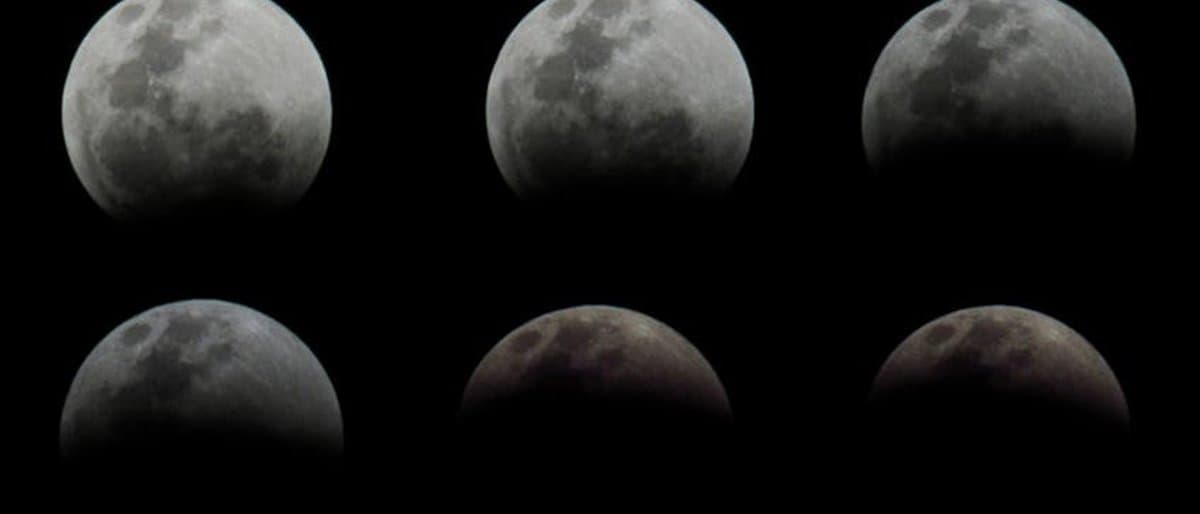
The term Blood Moon refers to the Moon's appearance during a total lunar eclipse. When Earth passes directly between the Sun and Moon, Earth's shadow falls on the Moon. However, some sunlight refracts (bends) through Earth's atmosphere and reaches the Moon. The atmosphere scatters shorter wavelengths (blue and green) and allows longer wavelengths (red and orange) to pass through, the same reason sunsets look red. This reddish light illuminates the Moon during totality, giving it a coppery or blood-red color.
The term "Blood Moon" is relatively recent in widespread popular use, though it has historical roots in biblical and eschatological contexts. Some Christian traditions associate a Blood Moon with end-times prophecy, citing passages from the Book of Joel and the Book of Revelation. The term gained significant public attention during the 2014–2015 "tetrad", four consecutive total lunar eclipses, which some interpreted as prophetically significant. Astronomically, there is nothing unusual about a tetrad; they occur roughly every 8 to 10 years.
A total lunar eclipse can only happen during a Full Moon, but not every Full Moon produces an eclipse because the Moon's orbit is tilted about 5 degrees relative to Earth's orbital plane.
The Harvest Moon Explained
The Harvest Moon deserves special attention because it is not tied to a specific month, it is defined by the astronomical event of the autumnal equinox.
Normally, the Moon rises about 50 minutes later each day. This happens because the Moon moves eastward in its orbit by about 12 to 13 degrees each day, and Earth must rotate that much farther to bring the Moon above the horizon again. However, around the autumnal equinox, the ecliptic (the path the Moon follows across the sky) makes a shallow angle with the eastern horizon for observers in the Northern Hemisphere. This means the Moon's eastward motion along the ecliptic does not translate into much downward motion below the horizon, so successive moonrises are delayed by only 25 to 30 minutes instead of the usual 50.
The practical result: for several nights around the Harvest Moon, there is bright moonlight from sunset to well into the night, with very little darkness between sunset and moonrise. Before artificial lighting, this was a critical window for harvesting crops.
Harvest Moon Date Range
| Year | Autumnal Equinox | Harvest Moon Date |
|---|---|---|
| 2024 | September 22 | September 17 |
| 2025 | September 22 | October 6 |
| 2026 | September 22 | September 25 |
| 2027 | September 22 | September 15 |
| 2028 | September 22 | October 3 |
Why Different Cultures Have Different Names
Moon names are a reflection of local ecology, and no two places have identical seasonal patterns. The Algonquin Wolf Moon makes perfect sense in the forests of New England, where wolves were common and their howls carried through the winter night. But in tropical regions where wolves are absent and seasons are defined by wet and dry periods rather than cold and warm, a completely different naming system is necessary.
The diversity of Full Moon names worldwide reflects several key factors:
- Climate: Tropical, temperate, arid, and polar regions go through very different seasonal patterns. The concept of a "Snow Moon" is meaningless in tropical Southeast Asia.
- Local flora and fauna: Names reference species that are important locally. The Sturgeon Moon only makes sense near the Great Lakes; Pacific Island cultures reference different fish species.
- Agricultural practices: Rice-growing cultures name Moons after rice planting and harvesting. Wheat-growing cultures reference wheat. Herding cultures reference livestock cycles.
- Cultural and religious traditions: Some Moon names are tied to festivals, religious observances, or mythological stories rather than natural phenomena.
- Latitude: The strength of seasonal variation changes dramatically with latitude. Near the equator, seasons are subtle and Moon names often reference less dramatic markers. Near the poles, seasonal extremes dominate the naming system.
This cultural diversity in Moon naming is a reminder that astronomy has always been intimately connected to daily life. People were not just observing the Moon as an abstract celestial object, they were reading it as a clock, a calendar, and a guide to survival.
Frequently Asked Questions
8 questions answered
Q: Are Full Moon names the same worldwide?
Q: Does the Moon actually look different colors for different named Moons?
Q: How did the Old Farmer's Almanac influence Moon names?
Q: What happens when there are two Full Moons in one month?
Q: Can a Full Moon name change from year to year?
Q: Do other planets' moons have similar naming traditions?
Q: Why is there no universally agreed-upon set of Moon names?
Q: Is the Blood Moon actually blood-red?
Put this into action
Stop guessing. Use our professional tools to schedule, convert, and manage time zones perfectly, 100% free.
View Moon PhasesOfficial Sources & References
- NASA Science: official data and scientific overviews for astronomical events and missions.