Daylight Saving Time 2026: When Clocks Change in Every Major Country
Quick Answer
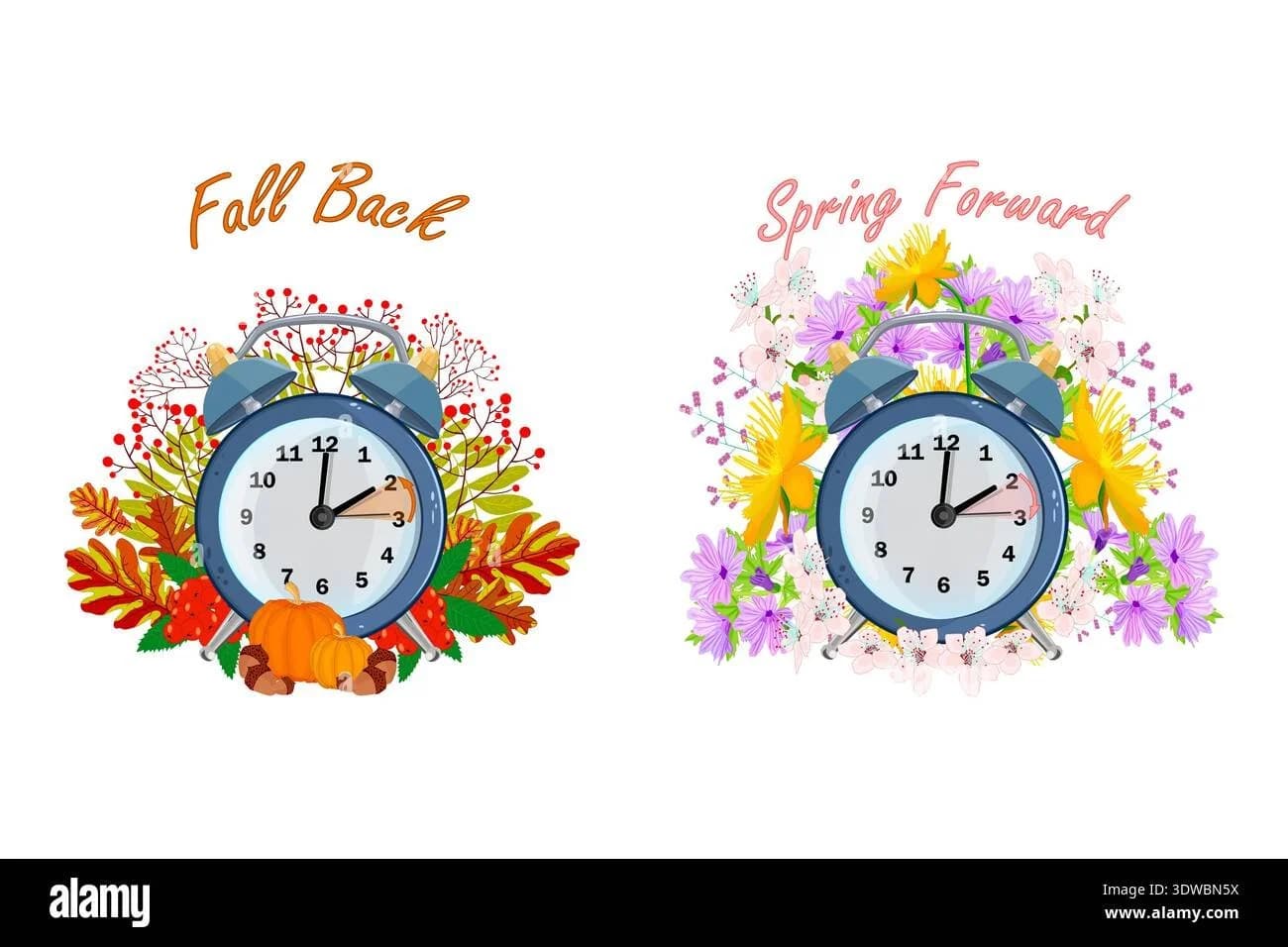
Most US locations that observe daylight saving time turn clocks back on Sunday, November 1, 2026, at 2:00 AM local time, returning to 1:00 AM. The UK goes back on Sunday, October 25, at 2:00 AM BST, returning to 1:00 AM GMT. Phoenix and Hawaii do not make this change. The Navajo Nation does. Check the city-by-city breakdown below before arranging an early-morning alarm, shift or international call.
See what changes in your city
Pick a city to see the 2026 clock change, the sunset shift, and what stays the same.
November 1, 2026
Clocks fall back one hour. The early morning hour happens twice, first in EDT, then in EST.
Same clock hour, two different offsets
12 AM
First 1 AM
EDT · UTC-4
Second 1 AM
EST · UTC-5
2 AM
What happens to sunset?
Oct 31
5:55 PM
Nov 1
4:54 PM
Sunset is 61 minutes earlier between these two dates.
An earlier clock time does not remove an hour of daylight. The difference includes ordinary seasonal change.
Open the sunset calculatorSunCalc estimates for a clear horizon, shown at minute resolution. Local hills, buildings and weather are not included.
When do clocks go back in 2026?
| Location | Fall-back date | Clock change |
|---|---|---|
| US locations observing DST | Sunday, November 1, 2026 | 2:00 AM daylight time becomes 1:00 AM standard time |
| United Kingdom | Sunday, October 25, 2026 | 2:00 AM BST becomes 1:00 AM GMT |
| Phoenix, Arizona | No seasonal clock change | Mountain Standard Time, UTC-7, all year |
| Hawaii | No seasonal clock change | Hawaii Standard Time, UTC-10, all year |
The US rule comes from NIST's daylight saving time guidance; the UK date and local clock change come from GOV.UK. A date without a location is not enough: New York and Los Angeles turn back at their own local 2:00 AM, three elapsed hours apart.
What happens to 1 AM when clocks go back?
In New York, 1:59:59 AM EDT is followed by 1:00:00 AM EST. The first 1:00-1:59 AM hour uses UTC-4; the second uses UTC-5. Both are on November 1. In Los Angeles, the labels are PDT and PST. London repeats the same clock hour a week earlier, with BST followed by GMT.
A 1:30 AM time on that night has two possible instants. In New York, the first is 05:30 UTC and the second is 06:30 UTC. Add an offset or ask which occurrence the organizer intends if a booking, pickup or alarm falls in that hour. Ordinary time-zone conversion cannot recover information that a wall-clock-only booking omitted.
Halloween itself is Saturday, October 31. In US DST locations, trick-or-treating on Saturday evening happens before the Sunday morning change. The repeated hour belongs to November 1, not October 31. Our Halloween clock-change article covers late-night bookings and alarms without repeating this guide's country tables.
Do we gain or lose an hour?
For the one-hour change in the US and UK, fall back adds one elapsed hour to the local calendar day. November 1 in New York and Los Angeles contains 25 hours; October 25 in London contains 25 hours. The corresponding days in Phoenix remain 24 hours. Whether you sleep longer depends on your alarm and schedule. Lord Howe Island's 30-minute step is a different case.
Spring forward removes an elapsed hour. The US changed on March 8, 2026, when 2:00 AM became 3:00 AM. The UK changed on March 29, when 1:00 AM became 2:00 AM. Those local calendar days contained 23 hours. The next US spring change under the current rule is March 14, 2027.
These are changes to civil clock time, not to Earth's rotation or the number of daylight hours. The standard time versus daylight saving time guide explains that distinction.
What happens to sunset after the time change?
The city comparison above calculates sunset on the day before and the day of the local transition. New York compares October 31 with November 1; London compares October 24 with October 25. Phoenix provides the same US dates without a DST step.
A sunset that reads about an hour earlier does not mean daylight suddenly became an hour shorter. The clock label moved back one hour, while the Sun's seasonal movement continued. The displayed difference includes both effects. Civil twilight continues after sunset; use the sunrise, sunset and civil-dusk calculator for other places or dates.
The estimates use SunCalc and the selected city's coordinates and IANA time zone. They assume a clear horizon and do not predict hills, buildings or weather. They are planning estimates, not official event hours.
Which US states and territories do not change clocks?
US Department of Transportation guidance explains the federal rules and state exemptions. NIST identifies these exceptions:
- Most of Arizona stays on Mountain Standard Time. The Navajo Nation observes DST, including its Arizona territory. The Hopi Reservation does not; verify the community when travelling across tribal boundaries rather than applying Phoenix's result to all Arizona.
- Hawaii remains on Hawaii Standard Time throughout the year.
- Puerto Rico, Guam, American Samoa, the US Virgin Islands and the Northern Mariana Islands do not observe seasonal DST.
A proposal to change the law is not an enacted clock rule. This guide uses the published 2026 rules; it does not promise that a bill will pass or that future years cannot change. A state choosing exemption is different from adopting permanent daylight time under federal law.
Will my phone change automatically?
Phones with supported, current software and automatic date/time settings usually apply the local rule. Check the displayed city and offset after the transition, particularly when travelling or if automatic time-zone updates are disabled.
On iPhone or iPad, Apple's Date & Time instructions describe Settings > General > Date & Time > Set Automatically, and the location-services setting used for automatic time-zone selection. Availability can depend on the device, carrier and restrictions.
For Google's Clock app on Android, Google's instructions describe Clock > More > Settings > Change date and time and the automatic time and time-zone options. Other Android manufacturers can use different menus.
A manually set wall clock, oven or car clock may need a manual adjustment. NIST also cautions that older automatic clocks can contain obsolete transition rules. Check the manufacturer's instructions rather than assuming every clock will update.
What happens to alarms in the repeated hour?
Automatic clock settings do not guarantee identical alarm behaviour across devices and apps. A 1:30 AM alarm in a fall-back location is ambiguous; a normal morning alarm after the repeated interval is a different case. Do not assume an app will ring twice or choose the occurrence you wanted.
For a flight or shift, confirm the intended occurrence with the operator, test the relevant app where possible and use an explicit time-zone offset or UTC instant if the scheduling system supports it. The Halloween repeated-hour guide has the worked booking example.
What happens to overnight shifts and pay?
A shift from 10 PM October 31 to 6 AM November 1 in New York spans nine elapsed hours before breaks, not eight. The same clock labels on an ordinary night span eight. In Phoenix, those dates have no DST hour, so that example remains eight elapsed hours.
The US Department of Labor's Hours Worked Advisor explains that employees working through a fall-back change work an additional hour and that FLSA-covered employees must be credited for actual hours worked. That does not establish a universal overtime result: coverage, weekly totals, breaks, contracts and applicable state rules still matter. Keep actual start/end instants and offsets in the time record, and ask payroll how the repeated hour is recorded.
International meetings: October 25 to November 1
London changes first. New York and Los Angeles change the following Sunday. During the intervening week, London is four hours ahead of New York and seven hours ahead of Los Angeles. Both gaps are one hour smaller than their usual values.
| Date in 2026 | 9 AM New York becomes | 9 AM Los Angeles becomes |
|---|---|---|
| October 24 | 2 PM London | 5 PM London |
| October 25-31 | 1 PM London | 4 PM London |
| November 1, after the US change | 2 PM London | 5 PM London |
The US spring change produced the same four-hour New York-London gap from March 8 until the UK change on March 29. The table uses those cities, not every US/European pair: Arizona, countries without seasonal changes and other exceptions need their own check.
A recurring meeting anchored to 9 AM America/New_York stays at 9 AM there while London's displayed time changes. A fixed-UTC event has different behaviour. Choose which city's wall-clock time should remain fixed; do not assume a UTC anchor keeps every local time fixed. See the London-New York guide, recurring meeting guidance and meeting planner.
DST 2026 dates by country and region
The northern-hemisphere entries below describe the 2026 start and end. Australia and New Zealand have a summer season that crosses the year boundary, shown separately below.
| Region | Start in 2026 | End in 2026 | Local rule or qualification |
|---|---|---|---|
| United States, observing locations | March 8 | November 1 | 2 AM local; exceptions above |
| Canadian locations still using seasonal changes | March 8 | November 1 | Verify province/community; B.C. and Alberta exceptions below |
| Manitoba | Last spring change: March 8 | No November 1 fall-back | Permanent daylight time, UTC-5; official 2026 update below |
| UK | March 29 | October 25 | Spring: 1 AM GMT to 2 AM BST; autumn: 2 AM BST to 1 AM GMT |
| EU observing regions | March 29 | October 25 | Common transition instant: 01:00 UTC; local clock time depends on zone |
| Participating Australian states, 2026 calendar | October 4 | April 5, earlier in the year | These are two separate season boundaries, not one forward-running season |
| New Zealand, 2026 calendar | September 27 | April 5, earlier in the year | These are two separate season boundaries |
The UK and EU coordinate transition instants. Central European autumn clocks turn from 3 AM CEST to 2 AM CET; eastern European clocks turn from 4 AM EEST to 3 AM EET. The UK repeats 1 AM, not every European country. Portugal's mainland is another western-European zone; do not label all of western Europe CET.
EU clock changes still follow the European Commission's summertime arrangements. Policy discussions do not themselves cancel the published schedule.
Canada: do not assume the whole country falls back
Canada has provincial and community exceptions, and the 2026 map has changed. B.C.'s official announcement says the March 8, 2026 move ahead was its final seasonal change: clocks in the province's main Pacific-time area will not turn back on November 1. Its year-round offset is UTC-7.
Alberta's official time-system page says the province will remain on Alberta Time, previously Mountain Daylight Time, from November 2026, instead of returning to Mountain Standard Time. That is UTC-6.
Manitoba's September 17, 2026 announcement also says clocks will not fall back on November 1. Manitoba remains on daylight time, UTC-5. IANA's 2026e release records this change; older software data may still predict a time change incorrectly.
Yukon and most Saskatchewan communities already use year-round time. Border and regional exceptions need individual checks, including Lloydminster and southeastern B.C. Do not copy a province-wide description onto every community. Follow B.C.'s regional guidance when planning travel there. Software with older time-zone data can still show an obsolete fall-back rule.
Australia and New Zealand: the 2026-2027 summer season
| Location | Season starts | Same season ends | Clock change |
|---|---|---|---|
| Mainland NSW, ACT, Victoria and Tasmania | October 4, 2026 | April 4, 2027 | 2 AM standard to 3 AM daylight time; return at 3 AM daylight to 2 AM standard |
| South Australia | October 4, 2026 | April 4, 2027 | Same local clock sequence, using ACST/ACDT rather than AEST/AEDT |
| Mainland New Zealand | September 27, 2026 | April 4, 2027 | 2 AM NZST to 3 AM NZDT; return at 3 AM NZDT to 2 AM NZST |
The published NSW dates and New Zealand government rules pair the late-2026 start with April 4, 2027. April 5, 2026 ended the preceding summer season; it cannot end a season starting in September or October 2026.
Queensland, Western Australia and the Northern Territory do not make the seasonal change. Sydney's daylight-time UTC+11 differs from Brisbane's year-round UTC+10 and Perth's UTC+8. Lord Howe Island has a 30-minute seasonal step; the Chatham Islands are 45 minutes ahead of mainland New Zealand and also have their own local transition labels. Use the exact IANA city zone rather than a single 'Australia' offset.
Countries without a seasonal clock change
India (UTC+5:30), Japan (UTC+9), China (UTC+8), the UAE (UTC+4), Saudi Arabia (UTC+3), Brazil and Russia do not make the usual 2026 spring/autumn clock change. This is a statement about their present rules, not a claim that they never used a different rule historically.
Iran has not observed DST since 2023. Paraguay also stopped seasonal changes and now stays at UTC-3; IANA's 2025a release notes record that change. Mexico's seasonal changes are limited to designated northern border municipalities. Check the city zone and current local rule; national labels can conceal exceptions.
What to do before the change
Confirm the date for your locality, check manual clocks and phone settings, and look at each occurrence of a recurring meeting. For a booking during the repeated hour, confirm the offset. For a shift, record elapsed time rather than subtracting two ambiguous clock labels.
Use the time-zone converter for an actual dated instant, the meeting planner for availability, or the 2027 spring-forward article for next spring. The what is daylight saving time guide remains the owner of history and the debate over DST, rather than duplicating those topics here.
Frequently Asked Questions
10 questions answered
When does daylight saving time end in 2026 in the US?
When do clocks go back in the UK in 2026?
Do I gain or lose an hour when clocks go back?
Does 1:30 AM happen twice on November 1?
Do clocks go back on Halloween 2026?
Will my phone alarm ring twice?
Why does sunset become earlier after DST ends?
Does all of Canada fall back on November 1, 2026?
When does the Australia and New Zealand 2026-2027 DST season end?
When do US clocks spring forward in 2027?
Put this into action
Stop guessing. Use our professional tools to schedule, convert, and manage time zones perfectly, 100% free.
Convert Time Zones