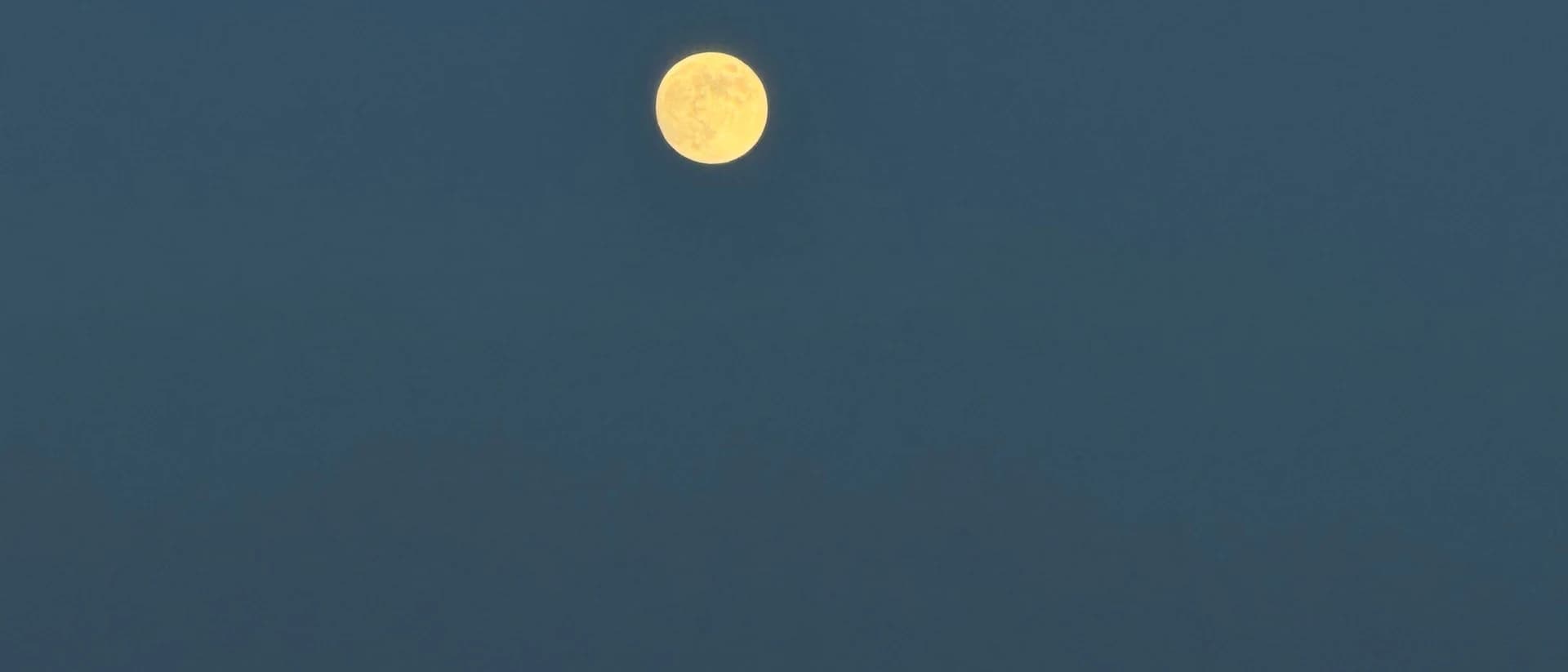
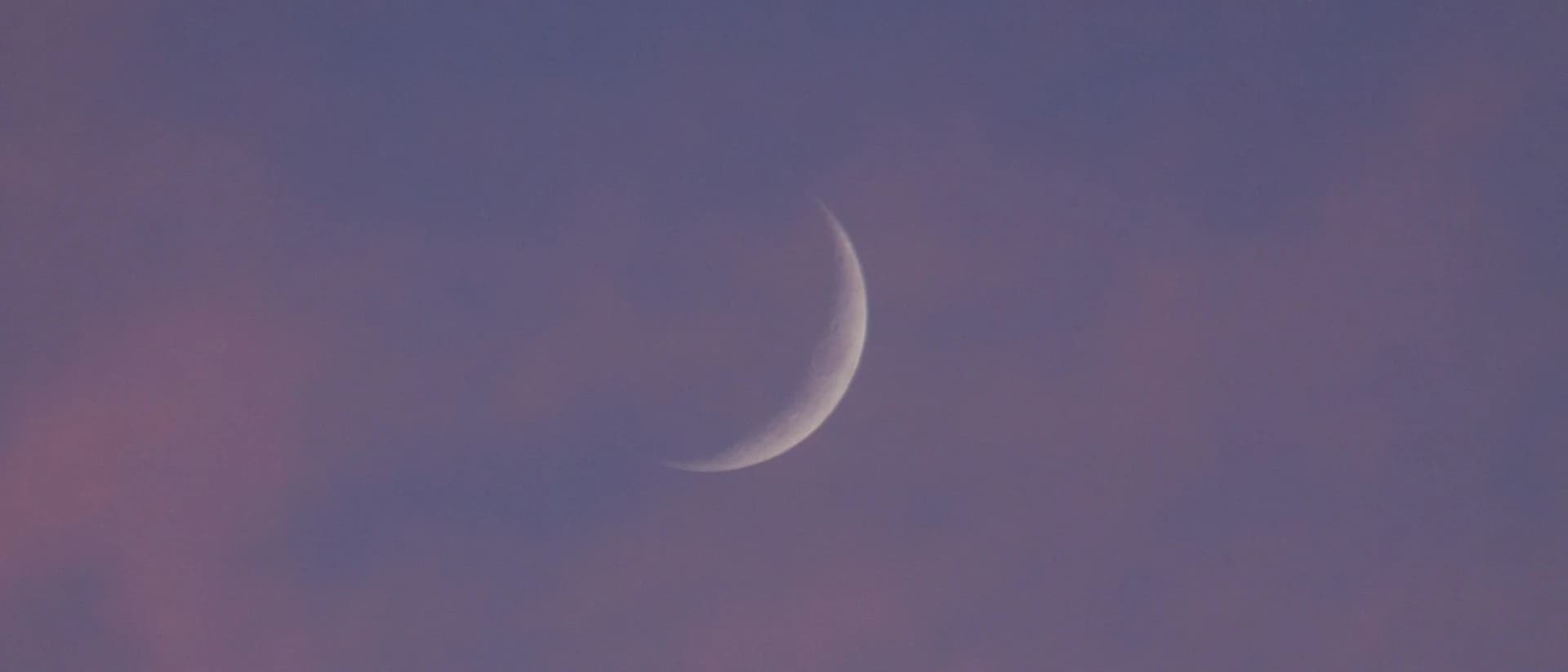
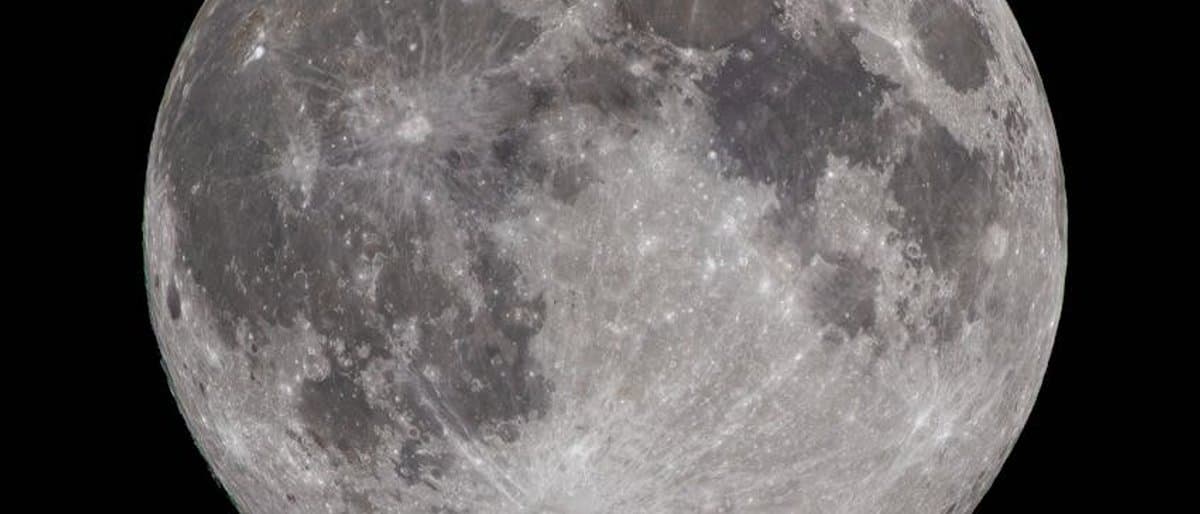
December 2026 Moon Phases: Full Calendar, Cold Moon and Stargazing
Quick Answer
Slug: /articles/december-2026-moon-phases Primary keyword: december 2026 moon phases Meta title: December 2026 Moon Phases: Calendar & Cold Moon Meta description: Explore December 2026 moon phases on a daily calendar. The Cold Moon peaks December 24 UTC, but December 23 in US time zones. Compare exact dates. Updated: October 2026
December 2026 Moon Phases: Full Calendar, Cold Moon and Stargazing
SEO title: December 2026 Moon Phases: Calendar & Cold Moon
Meta description: Explore December 2026 moon phases on a daily calendar. The Cold Moon peaks December 24 UTC, but December 23 in US time zones. Compare exact dates.
Quick Answer: December 2026 has five primary Moon phase events in UTC: last quarter on December 1 at 06:08, new Moon on December 9 at 00:52, first quarter on December 17 at 05:42, full Cold Moon on December 24 at 01:28, and another last quarter on December 30 at 18:59. The full Moon occurs on December 23 in U.S. time zones, so Americans looking at a local date calendar should not wait until Christmas Eve to mark the exact instant.
At a glance: exact December Moon phases
| Phase | UTC instant | New York local time | Los Angeles local time |
|---|---|---|---|
| Last Quarter | Dec 1, 06:08 | Dec 1, 1:08 AM EST | Nov 30, 10:08 PM PST |
| New Moon | Dec 9, 00:52 | Dec 8, 7:52 PM EST | Dec 8, 4:52 PM PST |
| First Quarter | Dec 17, 05:42 | Dec 17, 12:42 AM EST | Dec 16, 9:42 PM PST |
| Full Moon | Dec 24, 01:28 | Dec 23, 8:28 PM EST | Dec 23, 5:28 PM PST |
| Last Quarter | Dec 30, 18:59 | Dec 30, 1:59 PM EST | Dec 30, 10:59 AM PST |
The event times come from the U.S. Naval Observatory's 2026 primary-phase table. The local columns use November-standard U.S. offsets as applied on the event date: New York is on EST and Los Angeles is on PST. A phase instant is not the time the Moon rises at your house.
December 2026 daily Moon phase calendar
The table below has all 31 dates and uses UTC as its calendar reference. The named events mark the exact UTC date; the intervening labels describe the broad part of the lunar cycle, not a measured illuminated percentage for that particular noon. This distinction is important because a waxing or waning Moon changes appearance gradually every day.
| Date (UTC) | Weekday | Moon state at the date | Exact phase event (if any) |
|---|---|---|---|
| 1 | Tue | Last Quarter | 06:08 UTC |
| 2 | Wed | Waning crescent | None |
| 3 | Thu | Waning crescent | None |
| 4 | Fri | Waning crescent | None |
| 5 | Sat | Waning crescent | None |
| 6 | Sun | Waning crescent | None |
| 7 | Mon | Waning crescent | None |
| 8 | Tue | Waning crescent | None |
| 9 | Wed | New Moon | 00:52 UTC |
| 10 | Thu | Waxing crescent | None |
| 11 | Fri | Waxing crescent | None |
| 12 | Sat | Waxing crescent | None |
| 13 | Sun | Waxing crescent | None |
| 14 | Mon | Waxing crescent | None |
| 15 | Tue | Waxing crescent | None |
| 16 | Wed | Waxing crescent | None |
| 17 | Thu | First Quarter | 05:42 UTC |
| 18 | Fri | Waxing gibbous | None |
| 19 | Sat | Waxing gibbous | None |
| 20 | Sun | Waxing gibbous | None |
| 21 | Mon | Waxing gibbous | None |
| 22 | Tue | Waxing gibbous | None |
| 23 | Wed | Waxing gibbous | None |
| 24 | Thu | Full Moon | 01:28 UTC |
| 25 | Fri | Waning gibbous | None |
| 26 | Sat | Waning gibbous | None |
| 27 | Sun | Waning gibbous | None |
| 28 | Mon | Waning gibbous | None |
| 29 | Tue | Waning gibbous | None |
| 30 | Wed | Last Quarter | 18:59 UTC |
| 31 | Thu | Waning crescent | None |
If you are in the United States, the phase marker sometimes belongs to a different local date. For example, the new Moon occurs December 9 at 00:52 UTC but December 8 in New York and Los Angeles. The full Moon occurs December 24 UTC but December 23 in those same cities. The companion HTML calendar uses a zone selector and places the phase event on the local date after conversion.
The printed daily states are broad labels such as waxing crescent or waning gibbous. They should not be treated as daily moonrise predictions. A date labeled "waxing crescent" can have different rise and set times in Boston and San Diego, and a Moon visible in daylight can still be described by the same phase.
Why December 23 and December 24 are both used for the Cold Moon
The full Moon is a single instant: December 24, 2026 at 01:28 UTC. Subtract five hours to get December 23 at 8:28 PM in New York; subtract eight hours to get December 23 at 5:28 PM in Los Angeles. London uses GMT at this time of year, so the UTC date there remains December 24 at 1:28 AM.
The difference is a time-zone conversion, not conflicting lunar observations. If two trustworthy calendars give December 23 and December 24, check whether one is in UTC and the other uses the reader's location. Both can refer to the same full phase without either calendar being wrong.
For actually seeing the Moon, the exact minute is less important than the weather and local moonrise. The Moon will look close to full on the evenings around December 23 and 24. Which evening offers a low Moon against an open horizon depends on where you live, so do not use 01:28 UTC as a moonrise appointment.
The dedicated Cold Moon 2026 guide covers viewing-night decisions, the local-date disagreement and any carefully defined use of "supermoon." This monthly page is for reading all of December's lunar phases, including its new Moon and quarters.
The local-date differences are not limited to the full Moon
The December 24 UTC full Moon is the best-known date change this month, but it is not the only one. The new Moon is December 8 locally across the continental United States even though USNO lists December 9 UTC. The December 1 last-quarter instant is still November 30 at 10:08 PM in Los Angeles. A Pacific-time monthly calendar that automatically copies UTC dates would put that quarter phase into the wrong month.
The first-quarter phase gives another example. USNO lists December 17 at 05:42 UTC. That is December 16 at 9:42 PM PST in Los Angeles, while New York is already on December 17 at 12:42 AM EST. Two people reading the same astronomical event can therefore need different date cells even within the continental United States.
| Event | UTC calendar date | New York date | Los Angeles date | India date |
|---|---|---|---|---|
| Last quarter | Dec 1 | Dec 1 | Nov 30 | Dec 1 |
| New Moon | Dec 9 | Dec 8 | Dec 8 | Dec 9 |
| First quarter | Dec 17 | Dec 17 | Dec 16 | Dec 17 |
| Full Cold Moon | Dec 24 | Dec 23 | Dec 23 | Dec 24 |
| Last quarter | Dec 30 | Dec 30 | Dec 30 | Dec 31 |
The table is about the dates of exact phase instants. It does not claim that the Moon suddenly changes its visible shape at midnight in any city. The companion local-time HTML calendar places the event on the selected city's day and labels the broad waxing or waning state between the primary instants.
How to choose a dark December evening from the calendar
Start with the days around December 9 if the goal is to observe faint stars or meteor trails, but do not assume that "new Moon" is a weather forecast. First check cloud cover for your available hours, then determine when astronomical twilight ends. A night with a moon-free interval can still have too much urban skyglow for faint targets.
If the forecast is clear on December 11 but not December 9, December 11 can still give you a useful moon-free late night. The young waxing Moon will be better placed in the early evening and will not remain high all night. If you are photographing a western horizon near sunset, however, the same crescent may be a deliberate part of the composition rather than interference.
December 9 new Moon and the darkest useful nights
New Moon occurs at 00:52 UTC on December 9, which is still December 8 during afternoon or evening in the continental U.S. At that moment the Moon lies close to the Sun's direction as seen from Earth, so the illuminated face is turned largely away from us and the Moon is not available as a bright nighttime object.
For stargazing, this is a useful part of December. A night when the Moon is below the horizon leaves faint stars, clusters and meteors less affected by moonlight. Still, a new-Moon date does not promise darkness at every hour. You also need the Sun sufficiently far below the horizon, and a clear sky.
A practical choice is to check the local twilight time on December 7, 8, 9 or 10 and choose the clearest evening. If a bright streetlamp occupies the same part of the sky you plan to watch, move behind a building or to a darker open site. The Moon can be absent while local light pollution remains severe.
New Moon is an instant, not a 24-hour interval without moonlight everywhere. Near new phase, the Moon is close to the Sun in the sky and is generally absent from the middle of the night, but its exact rise and set times differ with the city and date. For any high-stakes photography schedule, calculate moonset and astronomical twilight for your coordinates.
The evening of December 9 is not the only useful period. After new Moon, a young waxing crescent is visible toward the western sky for a relatively short time after sunset. The later portion of the night can still be dark. As December approaches first quarter on the 17th, the Moon remains above the horizon longer into the evening and starts interfering more with faint early-night targets.
First quarter on December 17: an evening Moon
The first-quarter instant is December 17 at 05:42 UTC. It falls on December 16 at 9:42 PM in Los Angeles but December 17 at 12:42 AM in New York. The Moon's visible disc is approximately half lit at that phase; the name "quarter" refers to its progress through the lunar cycle.
A first-quarter Moon is useful for looking at crater shadows along the boundary between day and night on the lunar surface. The boundary is called the terminator. Binoculars or a small telescope can make those contrasts easier to see, although no equipment is necessary to identify the half-Moon shape.
For dark-sky observers, first quarter is a mixed condition. The early evening will have moonlight, but the Moon sets later during the night, leaving a potentially darker interval. Check your local moonset rather than saying all of December 17 is a bright night.
This separation between phase and rise/set times is central to using a monthly calendar properly. A phase label describes the geometry of Sun, Earth and Moon. It does not define your local night, moonrise, cloud cover or the position of nearby buildings.
Geminids on December 13-14 versus Ursids on December 21-22
December contains two meteor showers with very different lunar circumstances. The American Meteor Society's 2026 calendar highlights the Geminids on December 13-14. The Moon is a young waxing crescent around that date, and AMS describes generally favourable viewing conditions with limited moonlight interference.
The Ursids peak later, on December 21-22 in the AMS calendar. By then the Moon is a bright waxing gibbous, only a few days before the December 24 full phase. AMS's current viewing calendar describes significant interference while the Moon is up, and the older detailed listing gives a somewhat different illuminated percentage because it uses a different reference instant.
| Event | AMS peak night | Moon situation | Useful choice |
|---|---|---|---|
| Geminids | Dec 13-14 | Young waxing crescent | Plan for a dark stretch after the crescent sets |
| Ursids | Dec 21-22 | Bright waxing gibbous | Expect faint meteors to be hidden while the Moon is up |
This does not mean that the sky stops producing Ursids. The bright Moon makes faint meteors harder to detect. Even a strong standardized hourly forecast would need to be adjusted for the observer's sky, and the Ursids are a modest shower in a normal year.
For an event-specific plan, use the Geminids 2026 guide, the Ursids 2026 guide and the annual meteor shower calendar. Peak labels are observing windows, not promised times for a meteor to arrive.
December 30 last quarter and the move into January
The month closes with another last-quarter phase on December 30 at 18:59 UTC. It is the second last-quarter instant inside December's UTC calendar, because the previous one occurred on December 1. This is unusual-looking in a table, but there is nothing wrong with the calculation; the lunar cycle is shorter than most calendar months.
The December 30 instant is 1:59 PM EST in New York and 10:59 AM PST in Los Angeles. In India it is already December 31 at 12:29 AM IST. That last comparison is another reminder that the phase belongs to one worldwide instant but can carry different local calendar dates.
After last quarter, the Moon becomes a waning crescent and approaches the January 7, 2027 new Moon. A pre-dawn crescent may be visible if you have a clear eastern view and suitable sky conditions, but it should not be assumed visible from every site on a given date.
Use the Moon phases 2026 overview for the full year. The next monthly calendar, January 2027, is provided in this batch and will be ready to link at /articles/january-2027-moon-phases after the page is published.
Moonrise and moonset depend on a location
The December calendar tells you the Moon's phase, not when it crosses the horizon in Chicago, Miami or Seattle. Moonrise changes with longitude, latitude and date; local terrain and buildings change when a person can actually see the Moon. A rise calculation also needs an atmospheric-refraction and horizon convention.
For an exact viewing plan, select your city and date in a functioning moonrise/moonset calculator, then compare that result with the phase chart. For a moonless early-evening session, check the Moon's altitude at your planned observing hour rather than judging the whole night from its noon phase label. A bright full Moon that has not risen above your horizon does not affect the sky in the same way as one already high overhead.
Do not substitute the phase time for moonrise. On December 24, for example, the full-phase instant occurs at 01:28 UTC for the whole Earth. No single moonrise time can also apply to New York, London and Los Angeles. Their local horizons are different.
How to read the daily calendar without confusing the terms
At new Moon, the Moon and Sun are in nearly the same apparent direction and the lunar near side is mostly dark. A waxing crescent follows as more of the illuminated side becomes visible. First quarter occurs when the Moon has travelled roughly one quarter of its phase cycle from new Moon, with about half its disc illuminated.
Between first quarter and full Moon, the waxing gibbous becomes increasingly bright. After the full Moon, illumination decreases through waning gibbous, last quarter and waning crescent. These are descriptions of visible shape, not claims that the Moon changes shape physically.
The interval between corresponding phases is about a synodic month, roughly 29.5 days on average. That is why major phases move through the dates of the civil calendar and why December 2026 contains two last-quarter instants without containing two full Moons.
If you need an exact illuminated percentage rather than a broad label, calculate it for your chosen instant with an astronomical ephemeris. The daily table deliberately avoids fabricated percentages derived from a crude straight-line guess between quarter phases.
Frequently Asked Questions
8 questions answered
When is the December 2026 full Moon?
Is there a full Moon on Christmas Eve in the United States?
When is the new Moon in December 2026?
Why are there two last-quarter dates in December?
Does the Moon phase change at midnight?
What is the best December night for seeing faint stars?
Will the Ursids be easier to see than the Geminids in December 2026?
Is this calendar the same as a moonrise table?
Put this into action
Stop guessing. Use our professional tools to schedule, convert, and manage time zones perfectly, 100% free.
Track Sky EventsOfficial Sources & References
- NASA Science: official data and scientific overviews for astronomical events and missions.