Northern Lights 2026: Best Dates, Times & Places to See the Aurora
Quick Answer
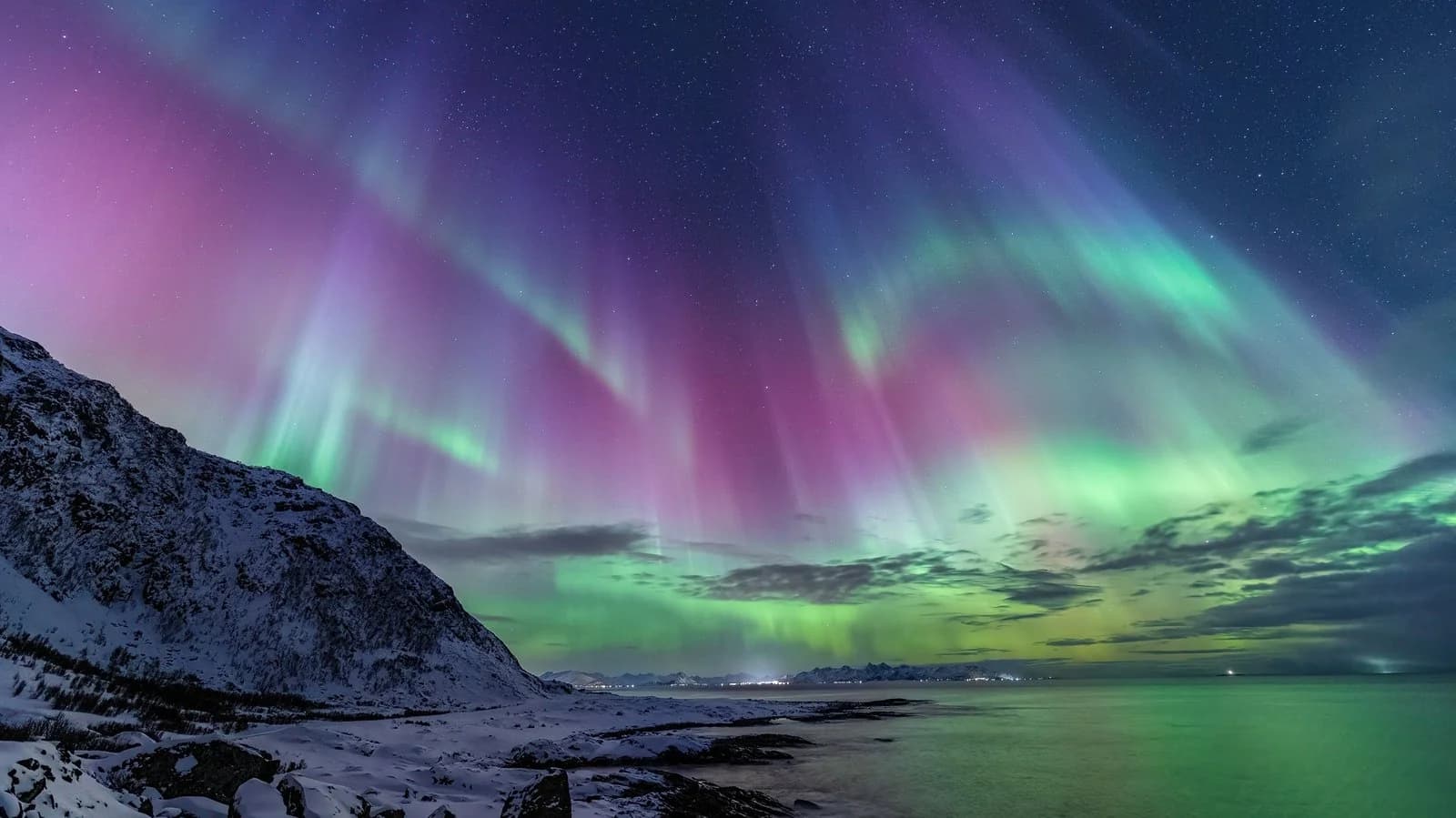
The best time to see the northern lights in 2026 is September through October 2026 and February through March 2027, between 10 PM and 2 AM local time. The top destinations are Tromsø (Norway), Abisko (Sweden), Rovaniemi (Finland), Reykjavik (Iceland), Yellowknife (Canada), and Fairbanks (Alaska). We are still on the declining side of solar maximum, which means 2026 continues to see elevated aurora activity and major KP5+ storms multiple times per month. Plan around new moon dates to avoid moonlight washing out faint aurora.
The best time to see the northern lights in 2026 is September through October 2026 and February through March 2027, between 10 PM and 2 AM local time, from a high-latitude destination such as Tromsø (Norway), Abisko (Sweden), Rovaniemi (Finland), Reykjavik (Iceland), the Scottish Highlands, Yellowknife (Canada), or Fairbanks (Alaska). Aurora season in the Northern Hemisphere runs from late August through mid-April, the months when high-latitude nights are dark enough for aurora viewing. The two peak windows (autumn equinox in September-October and spring equinox in February-March) produce more frequent and stronger auroras on average than mid-winter, due to the Russell-McPherron effect, an interaction between the solar wind and Earth's magnetic field at the equinoxes.
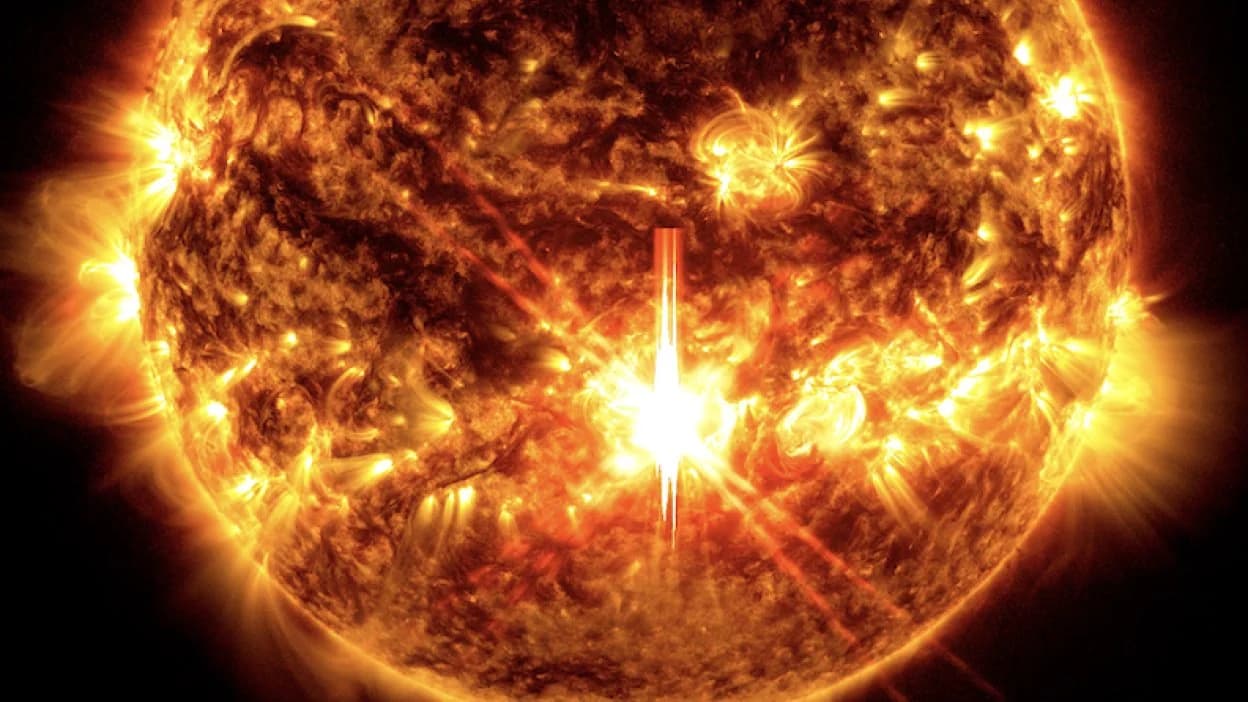
We are still on the declining side of solar maximum, which means 2026 continues to see elevated aurora activity at lower latitudes than usual. Major KP5+ storms that push aurora visibility as far south as the northern United States and central Europe are still occurring multiple times per month. The "solar maximum advantage" (the reason aurora has been visible from unusually southern locations in 2024 and 2025) persists through 2026, though with diminishing frequency as we move toward solar minimum around 2030.
For the dark-sky timing that complements aurora viewing, our moon phases 2026 calendar shows when moonlight will and will not wash out faint aurora.
Aurora Season: Why It Is Not Just Winter
A common misconception is that aurora season is the same as winter. It is not. Aurora season in the Northern Hemisphere runs from late August through mid-April, a window defined not by cold but by darkness. Aurora is happening all year, but you cannot see it when the sky is too bright, and at high latitudes (above 65°N, where aurora is most common), the summer sky never gets dark enough. The sun never sets in midsummer at Tromsø (69°N) or Reykjavik (64°N), so aurora is physically impossible to observe for about two months of the year.
The peak months are not the dead of winter but the equinox months: September, October, February, March. There are three reasons for this:
- The Russell-McPherron effect. At the equinoxes, the orientation of Earth's magnetic field relative to the solar wind is most favorable for energy transfer. This produces a statistically measurable increase in geomagnetic activity around March 21 and September 21 each year. The effect is modest but real, about a 50% increase in the chance of a moderate storm during equinox months compared to solstice months.
- Reasonable darkness without extreme cold. In September and October, high-latitude nights are long enough for many hours of aurora viewing, but temperatures are still manageable (around freezing, not −30°C). In February and March, the days are lengthening but nights are still long, and temperatures have begun to moderate from the January deep freeze. Mid-winter (December-January) has the longest nights but the coldest weather and the most challenging travel conditions.
- Better travel conditions. Roads are passable, flights are not delayed by extreme weather, and hotels are not at peak Christmas-season pricing. September and March are the "shoulder seasons" for aurora tourism, and they are often the best times to go.
Within the aurora season, the best time of night for viewing is typically 10 PM to 2 AM local time. Aurora is a nighttime phenomenon (it requires darkness), and the peak of geomagnetic activity tends to fall around magnetic midnight, which is approximately 11 PM to 1 AM local time, slightly offset from solar midnight due to the geometry of Earth's magnetic field. Strong storms can produce aurora anytime it is dark, but if you are planning a single night of aurora watching, plan to be out from 10 PM to 2 AM.
The KP Index: Your Aurora Forecast Tool
The KP index is the single most important number to understand for aurora forecasting. KP is a 0 to 9 scale that measures geomagnetic activity on a global basis, with each integer representing roughly a doubling of disturbance. The higher the KP, the further south aurora is visible (in the Northern Hemisphere) and the further north it is visible (in the Southern Hemisphere).
Here is what each KP level means for aurora visibility from the Northern Hemisphere:
| KP Index | Aurora Visibility | Latitude Reach | Practical Meaning |
|---|---|---|---|
| KP0 | Northern Scandinavia, far northern Canada, Arctic | 65°N+ | Quiet; visible only from the core aurora zone |
| KP1 | Northern Scandinavia, Iceland, northern Canada | 63°N+ | Low activity; visible from typical aurora destinations |
| KP2 | Iceland, northern Scotland, northern Canada, Alaska | 60°N+ | Moderate; good show from established destinations |
| KP3 | Northern Scotland, southern Scandinavia, northern US (Maine, Minnesota) | 57°N+ | Active; aurora visible from northern UK and northern US |
| KP4 | Southern Scotland, Denmark, southern Sweden, northern US | 54°N+ | Active; aurora visible across northern US and UK |
| KP5 | Northern England, northern Germany, northern US, Great Lakes | 51°N+ | Minor storm; aurora visible from northern England and most of northern US |
| KP6 | Central England, Netherlands, northern Poland, midwestern US | 48°N+ | Moderate storm; aurora visible from much of England and the northern US |
| KP7 | Southern England, Belgium, central US, Pacific Northwest | 45°N+ | Strong storm; aurora visible from southern England, much of central US |
| KP8 | Northern France, southern Germany, southern US | 42°N+ | Severe storm; aurora visible from central Europe and most of the US |
| KP9 | Mediterranean, southern US, Mexico | 35°N+ | Extreme storm; aurora visible from Mediterranean, US south, and beyond |
To put this in concrete geographic terms: a KP5 storm means aurora is visible from London, Edinburgh, Copenhagen, Hamburg, Toronto, Detroit, Chicago, Minneapolis, Seattle, and Portland. A KP7 storm means aurora is visible from Paris, Amsterdam, Berlin, Warsaw, New York, Boston, Denver, and San Francisco. A KP9 storm, like the famous May 2024 event, meant aurora was visible from Hawaii, southern Texas, and northern Africa.
The KP index is updated every 3 hours by NOAA and the Geophysical Institute at the University of Alaska Fairbanks. For real-time forecasts, check the NOAA Space Weather Prediction Center or the University of Alaska Fairbanks aurora forecast page. Apps like My Aurora Forecast and Aurora Watch provide push notifications when KP rises above your chosen threshold.
For the moon-phase planning that matters enormously for aurora photography (full moon washes out faint aurora), see our moon phases 2026 page.
The Moon Phase Problem, and How to Solve It
Moonlight is the single most under-appreciated factor in aurora viewing. A full moon produces sky brightness comparable to moderate light pollution, enough to completely wash out a faint aurora and significantly degrade a moderate one. A new moon produces a sky dark enough to reveal aurora structure and color that is invisible under a full moon.
This is not a minor effect. A KP3 aurora under a new moon can look like a KP5 aurora under a full moon, because the new-moon sky reveals the faint outer structure that the full moon hides. For aurora photography, the difference is even more dramatic. Long exposures under a full moon look washed out and blue-tinted, while long exposures under a new moon reveal the full structure and color of the aurora.
Best aurora dates in 2026 to 2027 (combining moon phase with aurora season):
| Date Window | Moon Phase | Aurora Season? | Notes |
|---|---|---|---|
| September 11, 2026 ±3 days | New moon | Yes (autumn peak) | Best single week of autumn 2026 |
| October 10, 2026 ±3 days | New moon | Yes (autumn peak) | Second-best autumn 2026 window |
| November 9, 2026 ±3 days | New moon | Yes | Late autumn, cold but workable |
| December 9, 2026 ±3 days | New moon | Yes | Long nights, very cold, Christmas travel complexity |
| January 7, 2027 ±3 days | New moon | Yes | Deep winter, very cold, shortest days |
| February 6, 2027 ±3 days | New moon | Yes (spring peak) | Excellent. Spring peak, cold but moderate |
| March 8, 2027 ±3 days | New moon | Yes (spring peak) | Best single week of spring 2027 |
The September 11, 2026 and March 8, 2027 new moons fall in the heart of aurora season's two peak windows. These are the two single best weeks for aurora viewing in the next 12 months.
Avoid the full moon weeks, particularly the November 24, 2026 supermoon (Beaver Moon) and the December 24, 2026 supermoon (Cold Moon), which are both closer and brighter than normal full moons. Between them, the December 9 new moon offers the best early-winter aurora window. For the complete supermoon calendar, see our 2026 supermoon dates page.
Top Aurora Destinations: Where to Go
The best aurora destinations combine three factors: high latitude (within the aurora oval), clear weather (low cloud cover), and accessible infrastructure (hotels, tours, airports). Here are the top destinations ranked by these criteria:
Tromsø, Norway (69°N): the "Paris of the North" is the world's most popular aurora tourism destination, and for good reason. It sits directly under the aurora oval, has a major airport with daily flights from Oslo, has excellent tourist infrastructure including aurora-chasing tours, and has a surprisingly mild climate for its latitude thanks to the Gulf Stream (winter temperatures around −5°C, much warmer than interior locations at similar latitudes). The downside: it is expensive, and cloud cover can be an issue due to coastal weather.
Abisko, Sweden (68°N): a small village in Swedish Lapland, about 100 km west of Kiruna. Abisko is famous for its "blue hole," a microclimate that produces clear skies even when surrounding areas are clouded over. This is because the mountains to the west force moist air to drop its precipitation before reaching Abisko, creating a rain-shadow effect. Statistically, Abisko has the highest number of clear nights of any major aurora destination. The downside: it is harder to reach than Tromsø (fly to Kiruna, then drive or take the train), and accommodation is limited.
Rovaniemi, Finnish Lapland (66°N): the "official hometown of Santa Claus" is also an excellent aurora destination. Rovaniemi has a major airport, good infrastructure, and is well south of the Arctic Circle enough to have some twilight in midwinter (helpful for activities beyond aurora viewing). Glass-roofed cabins are a popular option here. You can watch the aurora from bed. The downside: slightly south of the ideal aurora oval, so aurora is slightly less frequent than Tromsø or Abisko.
Reykjavik and surroundings, Iceland (64°N): Iceland offers the unique combination of aurora viewing with other natural attractions (waterfalls, geysers, glaciers, hot springs). Reykjavik itself is too light-polluted for serious aurora viewing, but a 30-minute drive outside the city puts you in excellent dark sky. Iceland's weather is famously changeable; you may need to chase clear skies, which is part of the aurora tour model there. The downside: Iceland is expensive, and the weather can be challenging.
Scottish Highlands, UK (57°N): the Scottish Highlands are the best aurora destination in the UK, particularly the far north (Caithness, Sutherland) and the islands (Shetland, Orkney, Hebrides). Aurora is not visible every clear night from Scotland. You typically need KP4 or higher, but during solar maximum years, KP4+ nights occur frequently. The upside: no flights to Scandinavia required. The downside: less frequent aurora than higher-latitude destinations, and Scottish weather is famously unreliable.
Yellowknife, Canada (62°N): the best aurora destination in North America. Yellowknife sits directly under the aurora oval, has a dry continental climate (which means more clear nights than coastal destinations), and has excellent tourist infrastructure. Winter temperatures are extreme (−30°C is common) but the aurora is reliable. The downside: long flight connections from major US cities.
Fairbanks, Alaska (65°N): the best US aurora destination. Fairbanks sits under the aurora oval, has a dry climate that produces clear nights, and is accessible via Anchorage or direct flights from Seattle in season. Hotels and lodges designed for aurora viewing are common. The downside: very cold in midwinter (−30°C common), and travel logistics from the lower 48 states are non-trivial.
For understanding when "dark" actually begins at these high latitudes, see our reference on civil vs nautical vs astronomical twilight. At 69°N (Tromsø) in mid-September, astronomical twilight ends around 11 PM local time, significantly later than at lower latitudes.
The August 12, 2026 Solar Eclipse Travel Window
A particularly interesting opportunity arises in mid-August 2026. On August 12, 2026, a total solar eclipse crosses Greenland, Iceland, and northern Spain. Many eclipse travelers will be in Iceland or northern Spain in the days surrounding the eclipse. Iceland is at 64 to 66°N, solidly in the aurora zone, and August 12 falls within the early part of aurora season (nights are getting dark enough at high latitudes).
If you are traveling to Iceland for the August 12 eclipse, you have a real chance of combining the eclipse (during the day) with aurora viewing (at night). Aurora is not guaranteed; it depends on solar wind conditions on the day, but Iceland in mid-August has about 3 to 4 hours of true darkness between roughly 11 PM and 3 AM, which is enough for an aurora display if the Sun cooperates. The Moon is new on August 12 (perfect for the eclipse and perfect for aurora), so there is no moonlight interference.
This is a "two astronomical events in one trip" opportunity that is genuinely rare. For the full story on this double event, see our guide to August 12, 2026: eclipse + Perseids.
Aurora Australis: A Note for Southern Hemisphere Readers
Everything in this article applies in mirror image to the Southern Lights, or Aurora Australis. The aurora oval in the Southern Hemisphere is centered on Antarctica, which means visible aurora from inhabited land is rarer than in the Northern Hemisphere. The main destinations for southern aurora viewing are:
- Tasmania, Australia: particularly the south and east coasts (Hobart, Cockle Creek)
- South Island, New Zealand: particularly the southern tip (Stewart Island, Invercargill, Lake Tekapo)
- Antarctica: research stations only; not a practical destination
Aurora season in the Southern Hemisphere runs from late March through mid-September (the Southern Hemisphere's winter). The same KP index thresholds apply, but inverted: a KP5 storm that pushes aurora to Scotland in the north pushes aurora to Tasmania in the south.
How to Photograph the Aurora
Aurora photography is technically accessible. You need a camera with manual controls, a tripod, and a bit of practice. Here are the basics:
Equipment:
- Any camera with manual exposure control (a DSLR, mirrorless, or even a high-end phone with manual/pro mode)
- A sturdy tripod (essential, since exposures are seconds long)
- A wide-angle lens (the wider the better: 14mm, 16mm, 24mm are all good choices)
Settings to start:
- ISO: 1600 to 3200 (raise it if aurora is faint, lower it if aurora is very bright)
- Aperture: as wide as your lens goes (f/2.8, f/1.8, f/1.4. Wider is better)
- Shutter speed: 2 to 10 seconds. Faster if aurora is moving rapidly (to capture structure), slower if aurora is slow or faint. Avoid exposures longer than 15 seconds with a wide-angle lens. Stars will start to trail.
- Focus: set to manual and focus at infinity. Use live view zoomed in on a bright star to confirm focus.
- White balance: auto or daylight (around 5000K). Aurora color varies a lot. Green is most common, but reds, purples, and pinks appear during strong storms.
Phone photography: Modern phones (iPhone 14 Pro and later, Samsung Galaxy S22 and later, Google Pixel 7 and later) can capture aurora in "Night Mode" with a tripod. Results are not as good as a real camera but are surprisingly usable. The key is absolute stillness. Even small movement during the phone's multi-second exposure will blur the image.
A note on what you will see vs what your camera will capture: The human eye is poor at seeing color in low light. A green aurora that looks vivid in a long-exposure photo may appear as a faint greyish-white cloud to your eye. This is normal; it does not mean you are not seeing aurora. Strong aurora (KP5+) can be vividly green or even red to the naked eye, but most aurora is more colorful in photos than in person.
If You Are Planning a Northern Lights Trip
Book early. Hotels in Tromsø and Rovaniemi sell out months in advance for the peak season (December-February especially, but also September-October and March). The best aurora-chasing tours book up even earlier. Aurora Camp Tromsø, for example, is often fully booked 3 to 4 months ahead.
Shoulder seasons (September, October, March) are easier to book and often cheaper, and the aurora is just as likely. If you have flexibility, prefer the equinox windows over deep winter.
Aurora chasing is a numbers game. A 5-night trip gives you roughly a 70 to 80% chance of seeing aurora at least once from Tromsø, Abisko, or Yellowknife, assuming average weather and average solar activity. A 3-night trip drops that to about 50 to 60%. A single night is a coin flip. Plan for at least 4 to 5 nights if seeing aurora is your primary goal.
For the broader dark-sky calendar that complements aurora season, see our meteor showers 2026 page. The same dark-sky windows that favor aurora also favor meteor watching.
Explore More
- Moon Phases 2026: Moonlight is the single most under-appreciated factor in aurora viewing. Plan around new moons for the best experience.
- Solar Maximum 2026: Why 2026 is still a great year for aurora, even past the absolute peak of solar activity.
- Meteor Showers 2026: The same dark-sky windows that favor aurora also favor meteor watching.
- 2026 Supermoon Dates: Bright full moons wash out faint aurora. Avoid these dates for aurora trips.
- Civil vs Nautical vs Astronomical Twilight: When does "dark" actually begin at high latitudes? Essential for planning aurora viewing.
Frequently Asked Questions
5 questions answered
What is the best time to see the northern lights in 2026?
Where are the best places to see the aurora?
Which dates in 2026-27 combine new moon and aurora season?
What is the KP index and what value do I need?
Does the moon phase really matter for aurora viewing?
Put this into action
Stop guessing. Use our professional tools to schedule, convert, and manage time zones perfectly, 100% free.
Track Sky EventsOfficial Sources & References
- NASA Science: official data and scientific overviews for astronomical events and missions.